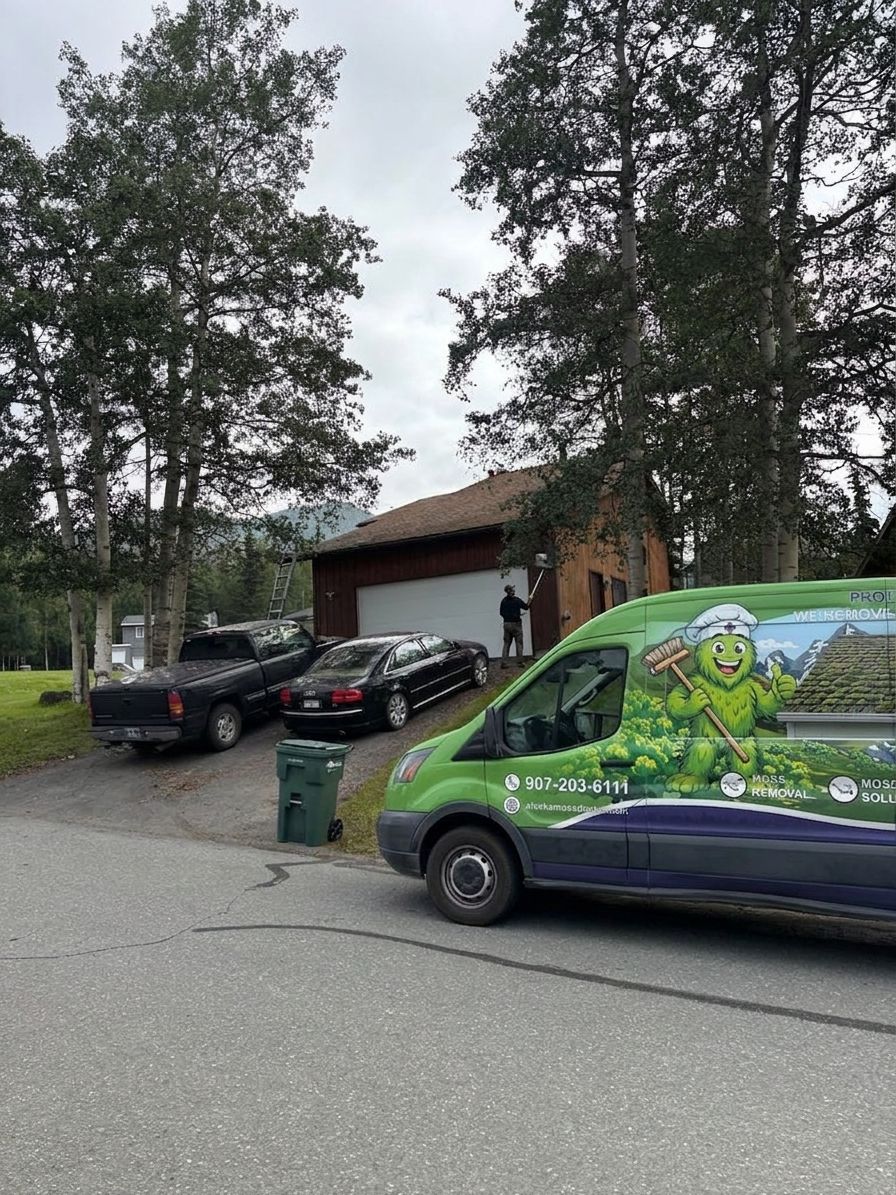
Dryer vent cleaning for Alaska homes means clearing lint, moisture, and ice from the exhaust duct that runs from your clothes dryer to the exterior wall, done often enough that a clogged line never turns into a house fire or a frozen dead stop. Alaska's long heating season and subzero cold snaps push moisture and lint into that duct faster than in milder climates, which changes how often you clean it and what tools actually work.
- Dryer vent cleaning alaska homeowners need at least once a year, twice for runs over 25 feet.
- Condensation plus lint freezes solid in Alaska ducts, blocking airflow completely by midwinter.
- DIY brush kits work for vents under 15 feet; longer or elbow-heavy runs need a pro.
- The National Fire Protection Association links roughly 2,900 annual home fires to clothes dryers, mostly lint-driven.
- Building code caps a single dryer vent run at 35 feet before airflow drops too far.
Why dryer vent cleaning matters for Alaska homeowners
A dryer vent doesn't just carry hot air outside, it carries moisture, and in Wasilla and the rest of the Mat-Su Valley that moisture has somewhere to go: straight into ice. Lint traps humidity, the duct cools fast against exterior walls in January, and the mix freezes into a solid plug long before spring. The same freeze-thaw stress that pushes moss into shaded roof valleys and gutter lines across the valley, the kind covered in scheduling exterior maintenance around Alaska winters, works on dryer vents too, just faster because a dryer runs several times a week.
The National Fire Protection Association estimates roughly 2,900 home fires a year trace back to clothes dryers, and lint buildup is the leading cause cited in that data. Building code (IRC M1502) caps a single dryer duct run at 35 feet, with deductions for every 90-degree elbow, which matters in Alaska homes where laundry rooms often sit in basements or additions far from the nearest exterior wall. A dryer vent that's already near the code-length limit clogs faster and drops airflow sooner than a short, straight run.
How to clean a dryer vent in Alaska's climate
Inspect the vent hood and duct before winter
Start outside, not at the dryer. The exterior hood is the part that actually freezes shut.
- Check the flap opens and closes freely, not stuck with rust or old lint
- Look for bird or rodent nests packed into the hood opening
- Note any ice buildup on or around the hood from roof runoff
- Check the gasket where the duct meets the exterior wall for gaps
- Identify whether your duct is rigid metal, semi-rigid, or old foil/plastic
Clear lint from the trap and first few feet
Most lint sits within the first few feet of the dryer, not deep in the wall.
- Pull the dryer away from the wall and unplug it
- Disconnect the flexible transition duct at the back of the dryer
- Vacuum the lint trap housing inside the dryer cabinet
- Wipe down the transition duct interior with a lint brush
- Check both elbow connections for compacted lint clumps
Clean the full duct run with a brush kit
A rotary brush kit, fed from the exterior opening inward, reaches sections a vacuum alone can't touch.
- Buy a brush kit rated for your total duct length
- Feed the brush from the outside hood, working inward in short passes
- Attach a shop vacuum at the interior end to catch loosened debris
- Run the brush through each elbow slowly, not in one continuous push
- Repeat until the brush comes back with little to no lint
Clear the exterior hood for snow and ice after storms
This step gets skipped constantly in Alaska, and it's the one that causes the most winter service calls.
- Brush snow away from the hood after every significant snowfall
- Check the flap isn't frozen shut before running a full load
- Avoid chemical deicers near aluminum or vinyl hoods, they corrode the housing
- Watch for ice damming near roof eaves that redirects meltwater onto the hood
Check airflow after cleaning
A clean vent should move air fast enough to feel it from several feet away.
- Run the dryer empty on a heat cycle for ten minutes
- Confirm the exterior flap opens fully and stays open
- Feel for strong, steady airflow at the hood, not a weak trickle
- Compare drying time to before cleaning; a load that now needs one cycle instead of two confirms the fix
Schedule professional cleaning for long or complicated runs
Some setups are past what a homeowner brush kit can safely handle.
- Runs longer than 25 feet, close to the 35-foot code maximum
- Ducts with more than two 90-degree elbows
- Additions or remodels that moved the laundry room farther from an exterior wall
- Rental properties that need documented service records for insurance
- Second-story laundry rooms with long vertical duct runs
Set a cleaning frequency built for Alaska's heating season
Once a year is the baseline recommendation from consumer safety guidance, but Alaska's long, cold heating season changes the math.
- Clean annually at minimum, before the first hard freeze if possible
- Move to twice a year for households that dry towels, bedding, or heavy loads often
- Add a hood check after any major snow event, not just on a calendar schedule
- Inspect again in spring once snow load stops pressing on the exterior hood
Cover the rest of your exterior maintenance
Alaska Moss Doctor handles roof, gutter, and exterior moss cleaning across the Mat-Su Valley.
Comparing your options
| Option | Best for | Key limitation |
|---|---|---|
| DIY brush kit | Short, straight runs under 15 ft | Can't safely navigate multiple elbows or long runs |
| Handheld vacuum attachment | Quick trap and near-wall cleaning | Doesn't reach the exterior duct or hood |
| Professional dryer vent service | Long runs, rigid metal ducts, rental properties | Requires scheduling and full unit access |
| HVAC/duct cleaning company | Combining dryer vent work with whole-house duct service | Costs more than a vent-only specialist |
A clogged dryer vent in Alaska is a winter fire risk and a spring water problem once the ice plug finally thaws inside a wall cavity. Treat cleaning as a seasonal task, not a someday task.
Common mistakes Alaska homeowners make
- Assuming cold weather freezes lint in place safely. It doesn't. Moisture and lint freeze into a solid plug that blocks airflow entirely, and the risk spikes when it thaws near a heat source.
- Using foil tape or plastic accordion duct. Many jurisdictions already restrict this material, and in Alaska cold it cracks and pulls apart at the joints within a season or two.
- Skipping the exterior hood check after snowstorms. A frozen-shut flap forces lint-heavy exhaust air back into the wall cavity instead of outside.
- Treating long duct runs as a one-time install problem. A run built to code the day it was installed still needs more frequent cleaning if the household runs the dryer daily through a long heating season.
- Skipping documentation on rental units. Landlords without dated service records have a harder time with insurance claims after a dryer-related incident.
FAQ
How often should Alaska homeowners clean dryer vents?
Clean a dryer vent at least once a year in Alaska, and twice a year if the duct run exceeds 25 feet or the household runs heavy laundry loads daily. The long heating season pushes more moisture through the vent than in milder climates.
Can I clean a dryer vent myself?
Yes, for short, straight runs under 15 feet with a rotary brush kit and a shop vacuum. Runs with multiple elbows or lengths approaching the 35-foot code maximum are safer left to a professional.
What are the signs a dryer vent needs cleaning?
Loads taking longer than one cycle to dry, a hot dryer exterior during operation, and a weak or absent airflow at the exterior hood all signal a clogged vent. Musty smells near the laundry room are another sign, especially after a thaw.
Does cold weather affect dryer vent cleaning in Alaska?
Yes. Moisture in the duct freezes against cold exterior walls, and the exterior hood flap can freeze shut after snow events, both of which restrict airflow more than in warmer states.
What's the difference between dryer vent cleaning and duct cleaning?
Dryer vent cleaning targets the single exhaust line from the dryer to the exterior wall. Whole-house duct cleaning covers the heating and cooling system's air ducts, a separate service some HVAC companies bundle together.
How long can a dryer vent be?
The International Residential Code caps a single dryer vent run at 35 feet, with length deductions for each 90-degree elbow. Runs near that limit need more frequent cleaning to maintain airflow.
Can a clogged dryer vent cause a fire?
Yes. The National Fire Protection Association ties roughly 2,900 home fires a year to clothes dryers, with lint buildup as the leading cause. A clogged vent traps heat against flammable lint inside the duct.
Is dryer vent cleaning different in 2026 than a decade ago?
The core task hasn't changed, but more homes now run heat pump or ventless dryers, which still need periodic condenser and filter cleaning even without a traditional exterior vent.
One last thing
The exterior vent hood on a lot of Alaska homes sits right below a roof eave, which means roof-shed snow and ice pack against the flap all winter without anyone noticing until a load won't dry. Check that spot the same week you check gutters and roof valleys for moss and debris; it's the same seasonal mindset, just a different duct. Homeowners already following a gutter cleaning schedule for moss-heavy homes have an easy trigger to add a dryer vent check to the same visit in 2026.
Verdict: clean the dryer vent at least once a year, check the exterior hood after every heavy snow, and call a professional once the run passes 25 feet.